| Hyderabad 1948:
Scenario Preview, Part One
By Mike Bennighof, Ph.D.
June 2026
The Indian invasion of Hyderabad only lasted 100 hours, but contrary to the standard Indian propaganda version, it was a real war. The new Indian government conquered the largest of the princely states, and Hyderabad’s regular army fought back as best it could.
Panzer Grenadier: Hyderabad 1948 is an almost-complete, downloadable game about this brief but very real war. You get ten scenarios, nine of them based on historical actions. You’ll need a set of Panzer Grenadier Fourth Edition rules (from any Panzer Grenadier game - the rules are the same in all of them). You can use the maps from Conquest of Ethiopia or order them separately. Hyderabad 1948 includes 240 new pieces; it’s a digital download so you’ll have to assemble the pieces yourself.
Let’s have a look at those scenarios:
Scenario One
Chillakallu Village
6 September 1948
 Across the Deccan highlands that included the princely state of Hyderabad, Communist insurgents beheaded Muslim landlords and encouraged peasants to seize their land and form communes. In retaliation, a powerful Hyderabad politician, Qasim Razvi, formed a Muslim militia known as the Razakars. Razvi’s men burned villages that had turned out their landlords and murdered those they thought might be communists. According to Indian accounts, a force of Razakars crossed into Indian territory at the village of Chillakallu. The Indian Army then sent a force of tanks and Gurkhas to “investigate” the incident. Across the Deccan highlands that included the princely state of Hyderabad, Communist insurgents beheaded Muslim landlords and encouraged peasants to seize their land and form communes. In retaliation, a powerful Hyderabad politician, Qasim Razvi, formed a Muslim militia known as the Razakars. Razvi’s men burned villages that had turned out their landlords and murdered those they thought might be communists. According to Indian accounts, a force of Razakars crossed into Indian territory at the village of Chillakallu. The Indian Army then sent a force of tanks and Gurkhas to “investigate” the incident.
Conclusion
The Razakars shot up the police station and were still attacking the town when Indian infantry and tank reinforcements appeared. The militia fled back across the border into Hyderabad with the Indians in hot pursuit, leaving a number of dead police and militants behind.
Notes
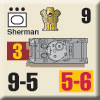 We start with a small scenario, a mob of Muslim militia swarming an Indian police station, and Indian reinforcements showing up to drive them off, including tanks. The Razakars are heedless of their own losses, while the Indians, well, they have tanks. We start with a small scenario, a mob of Muslim militia swarming an Indian police station, and Indian reinforcements showing up to drive them off, including tanks. The Razakars are heedless of their own losses, while the Indians, well, they have tanks.
Scenario Two
Armored Cars
6 September 1948
 The Indian Army force’s pursuit of the Razakar militia over the border brought them into contact with Hyderabad’s regular army. The Indians would later contend that the Hyderabadis had full knowledge of the Razakar raid; the Hyderabadis never had to opportunity to confirm or deny the charge. In any event, when the Indians ran into a regular Hyderabad force, fighting immediately broke out. The Indian Army force’s pursuit of the Razakar militia over the border brought them into contact with Hyderabad’s regular army. The Indians would later contend that the Hyderabadis had full knowledge of the Razakar raid; the Hyderabadis never had to opportunity to confirm or deny the charge. In any event, when the Indians ran into a regular Hyderabad force, fighting immediately broke out.
Conclusion
The Indian tankers chased the Razakars over the border, leaving their infantry support behind in their frenzy to run down the Muslims. Once they crossed the border, they found the Hyderabadis more than willing to fight: Kodad lay along the main highway to the Nizam’s capital, and the local garrison appears to have interpreted the action as a sneak attack. The Hyderabad “armor” regiments only fielded armored cars, however, and they got the worst of the action with the Indian Shermans.
Notes
.jpg) The Indians storm onto the board with a small force of unsupported Shermans, to root out hidden Razakar militia. There’s also a small force of Hyderabadi regulars with a 6-pounder anti-tank gun that can hurt the tanks if it gets a clear shot, and a strong group of armored cars that come into play immediately as well. The Indians will eventually get some infantry support, and that can turn the tide as the tanks no longer need to fear ambush in the woods. The Indians storm onto the board with a small force of unsupported Shermans, to root out hidden Razakar militia. There’s also a small force of Hyderabadi regulars with a 6-pounder anti-tank gun that can hurt the tanks if it gets a clear shot, and a strong group of armored cars that come into play immediately as well. The Indians will eventually get some infantry support, and that can turn the tide as the tanks no longer need to fear ambush in the woods.
Scenario Three
Naldurg Fort
13 September 1948
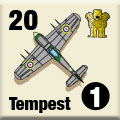 The Indian Army staff laid out an ambitious two-pronged invasion of Hyderabad, over the strenuous objections of army commander-in-chief Sir Roy Bucher. Bucher, a British officer left over from the colonial administration, warned Prime Minister Jawaharlal Nehru and his cabinet that starting a war with Hyderabad while Pakistan’s stance in the ongoing Kashmir crisis remained unclear would be extremely dangerous. Nehru insisted the invasion go forward and Bucher angrily resigned, accusing the Indian politicians of forgetting both basic strategy and Gandhi’s principles less than a year after the Mahatma’s death. The first obstacle met by the invaders would be the massive, aged masonry fort at Naldurg. The Indian Army staff laid out an ambitious two-pronged invasion of Hyderabad, over the strenuous objections of army commander-in-chief Sir Roy Bucher. Bucher, a British officer left over from the colonial administration, warned Prime Minister Jawaharlal Nehru and his cabinet that starting a war with Hyderabad while Pakistan’s stance in the ongoing Kashmir crisis remained unclear would be extremely dangerous. Nehru insisted the invasion go forward and Bucher angrily resigned, accusing the Indian politicians of forgetting both basic strategy and Gandhi’s principles less than a year after the Mahatma’s death. The first obstacle met by the invaders would be the massive, aged masonry fort at Naldurg.
Conclusion
The Hyderabadis had been alerted to the coming invasion (probably thanks to the constantly raiding Razakars), yet when the Indians came the princely troops proved unable to stop them. An Indian flying column seized the bridge without opposition, capturing a British mercenary charged with blowing it up before he could set off his charges. With the bridge taken and the Indians streaming past and unimpressed by the fire of a Hyderabadi 25-pounder battery ensconced behind the crumbling walls, the Nizam’s men abandoned the fort during the day.
Notes
 This is a big scenario, with two full Indian infantry battalions and some support units advancing against a full Hyderabadi battalion backed by an equal number of Razakar militia and one of the few modern 25-pounder batteries in the Nizam’s armory. The Indians have to take a bridge and a large fort from the Hyderabadis, while the Nizam’s men have to hold them. This is a big scenario, with two full Indian infantry battalions and some support units advancing against a full Hyderabadi battalion backed by an equal number of Razakar militia and one of the few modern 25-pounder batteries in the Nizam’s armory. The Indians have to take a bridge and a large fort from the Hyderabadis, while the Nizam’s men have to hold them.
Scenario Four
Hyderabad Lancers
13 September 1948
 On Hyderabad's eastern border, the weaker of the Indian pincers met the strongest Hyderabadi forces, who had expected the main effort to come on this front. The Indians surged up the same highway they’d used to attack Kodad a week earlier, with much greater force. But the Nizam’s army had deployed its best units here to stop the Indians at any cost. On Hyderabad's eastern border, the weaker of the Indian pincers met the strongest Hyderabadi forces, who had expected the main effort to come on this front. The Indians surged up the same highway they’d used to attack Kodad a week earlier, with much greater force. But the Nizam’s army had deployed its best units here to stop the Indians at any cost.
Conclusion
The Hyderabadi Lancers had seen action in the Middle East under British command, and this veteran unit put up fierce resistance to the Indian invaders. The Razakars fought desperately as well, but the Hyderabad troops had few weapons capable of stopping the Indian Shermans and eventually the defenders had to fall back.
Notes
 Another fairly big scenario, this is the climactic armored battle of the Hundred Hour War. Unfortunately for the Hyderabadis, it’s an “armored battle” and not a “tank battle,” as they wield Staghound and Humber armored cars against the Indian Shermans. Both sides have strong infantry forces as well, and the Hyderabadis bring their usual cloud of Razakar fanatics as well. The burden of attack is on the Indians, with a long list of objectives and not a lot of time to take the Another fairly big scenario, this is the climactic armored battle of the Hundred Hour War. Unfortunately for the Hyderabadis, it’s an “armored battle” and not a “tank battle,” as they wield Staghound and Humber armored cars against the Indian Shermans. Both sides have strong infantry forces as well, and the Hyderabadis bring their usual cloud of Razakar fanatics as well. The burden of attack is on the Indians, with a long list of objectives and not a lot of time to take the
Scenario Five
The Crossing at Hospet
13 September 1948
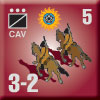 The Indian Army's invasion plan rejected an invasion from the south, since no gains made there would force the Nizam's surrender. The local commander, Brigadier N.V. Bal, objected to this omission and ordered his eclectic collection of troops forward anyway. At the town of Hospet, they ran into determined defenders occupying a sugar factory dominating a river crossing. The Indian Army's invasion plan rejected an invasion from the south, since no gains made there would force the Nizam's surrender. The local commander, Brigadier N.V. Bal, objected to this omission and ordered his eclectic collection of troops forward anyway. At the town of Hospet, they ran into determined defenders occupying a sugar factory dominating a river crossing.
Conclusion
The Mysore infantry became pinned down under Hyderabadi fire and berserk close assaults by sword-wielding Razakars. Bal committed more and more of his forces, which included an armored train and the Indian Army's only remaining horsed cavalry regiment. Twice the Indians took the sugar factory only to be ejected again by Hyderabadi assaults. Seizing it a third time, they finally managed to fight off the Nizam's troops. The sugar factory would remain a center of heavy fighting for the next four days, until the Nizam ordered his troops to lay down their arms.
Notes
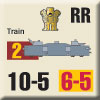 This battle is the real reason I designed the game. The Hyderabadis are dug in, and the Indians have to eject them from their prepared positions. There’s not a lot of leeway for the Indian player: he or she is violating orders by launching this attack, so even middling success will get the player cashiered or worse. The Indian player has to win and win big. And to do so, he or she gets the Indian Army’s lone remaining regiment of horsed cavalry plus an armored train. This battle is the real reason I designed the game. The Hyderabadis are dug in, and the Indians have to eject them from their prepared positions. There’s not a lot of leeway for the Indian player: he or she is violating orders by launching this attack, so even middling success will get the player cashiered or worse. The Indian player has to win and win big. And to do so, he or she gets the Indian Army’s lone remaining regiment of horsed cavalry plus an armored train.
Download Hyderabad 1948 Here.
It’s $25.99, but if you’re a Gold Club member, you can download for $18.19 using your Gold Club link (That’s the only way to claim your Gold Club discount).
You can order the set of eight maps here:. These are hardcopy maps on rigid cardstock, just like those in Panzer Grenadier games
Order Hyderabad Maps Here.
Sign up for our newsletter right here. Your info will never be sold or transferred; we'll just use it to update you on new games and new offers.
Mike Bennighof is president of Avalanche Press and holds a doctorate in history from Emory University. A Fulbright Scholar and NASA Journalist in Space finalist, he has published an unknowable number of books, games and articles on historical subjects.
He lives in Birmingham, Alabama with his wife and three children.
Want to keep Daily Content free of third-party ads? You can send us some love (and cash) through this link right here.
|