Pacific Armor:
Scenario Preview, Part One
by Mike Bennighof, Ph.D.
February 2026
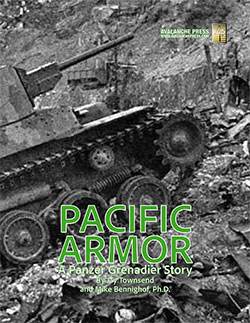 With Panzer Grenadier: Pacific Armor, we present the sort of battle rarely seen in the war between Japan and the United States: tank battles. The Japanese stationed an armored division on Luzon, and in January and February 1945 it fought the Americans landing to liberate the Philippines. It didn’t do so very well, but Japanese and American tanks fought in Luzon’s central plain. With Panzer Grenadier: Pacific Armor, we present the sort of battle rarely seen in the war between Japan and the United States: tank battles. The Japanese stationed an armored division on Luzon, and in January and February 1945 it fought the Americans landing to liberate the Philippines. It didn’t do so very well, but Japanese and American tanks fought in Luzon’s central plain.
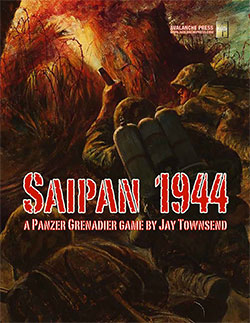
Pacific Armor is an expansion book for Saipan 1944, highlighting these tank battles and some more (with better Japanese tanks) that didn’t actually happen. It’s not the sort of thing you expect from the Pacific War, and the tank battles aren’t at all like those in Europe and North Africa. Let’s start out with a look at the first chapter.
Chapter One
San Manuel
The Japanese 2nd Tank Division had about 220 armored vehicles when the Americans landed in Lingayen Gulf in northern Luzon on 9 January 1945. This would be the first time that the Americans faced a Japanese armored division, or indeed any large concentration of Japanese tanks.
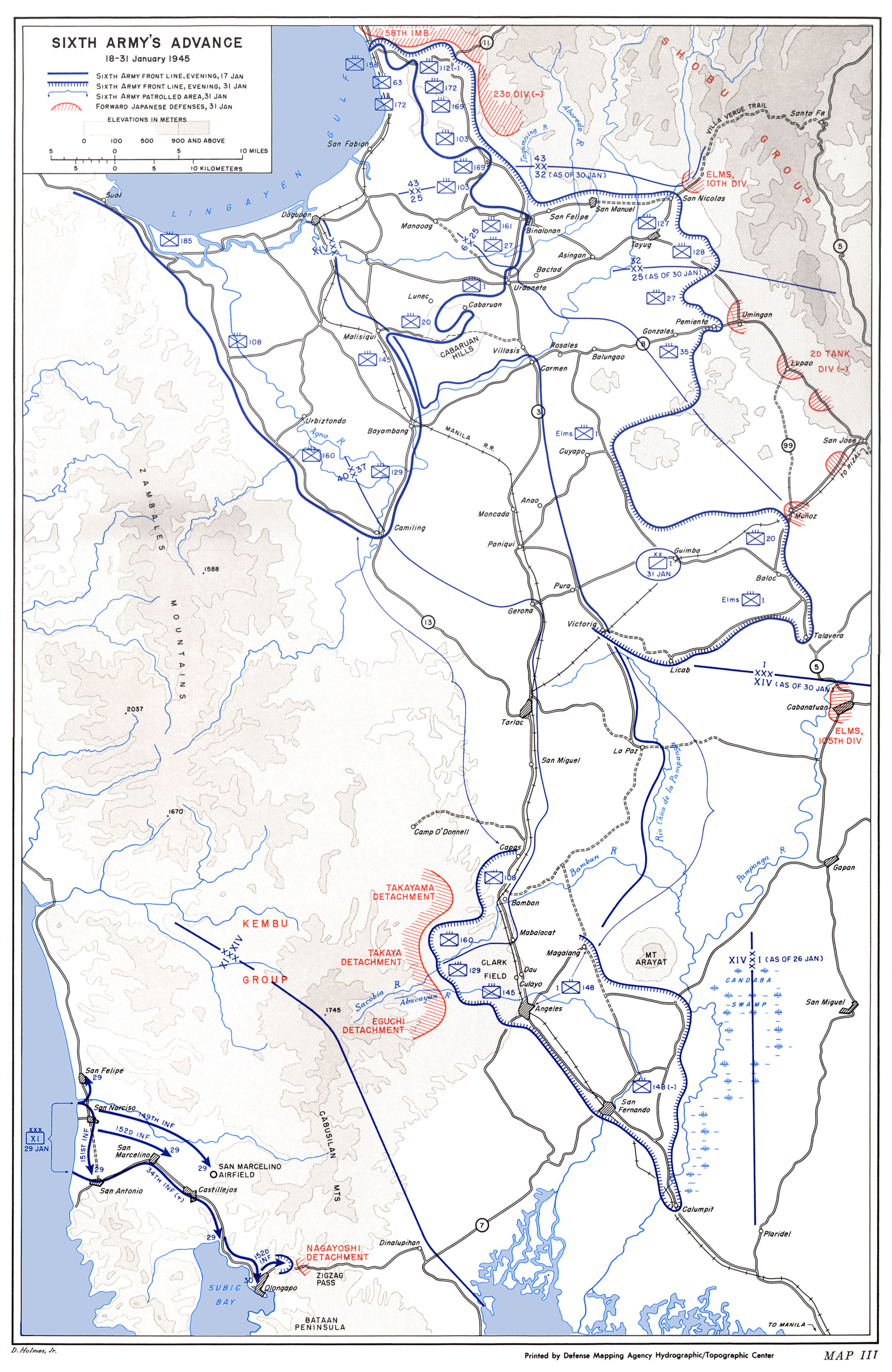
The Central Luzon battlefield. Open in new tab to vastly embiggen the image.
The 2nd Tank Division, one of Japan’s four armored divisions, had been formed in June 1942 for potential use against the Soviet Union. It moved to the Philippines in late 1944, with three regiments of tanks and one of motorized infantry – Japan’s armored divisions saw very little combat as complete formations and followed a very tank-heavy table of organization that other nations had abandoned years before. Japanese commanders had no practical experience in operating large armored formations, and while their German allies provided a wealth of technical details, that did not show the Japanese how to best use their tanks.
Tomoyuki Yamashita, commanding the 14th Area Army charged with defending the Philippines, deployed the armored division in small, scattered packets with their tanks often dug in and skillfully camouflaged. While that took away the option of making a powerful armored counterattack against the invaders, it also took the tanks out of sight of American aircraft. American pilots sought any sign of the Japanese tanks but found very little evidence of their existence. It would be up to the dogfaces in the front lines to locate them the hard way.
Scenario One
Tanks in the Barrio
16-17 January 1945
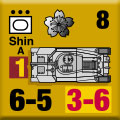 Pressed by his staff to allow counterattacks against the American invaders of northern Luzon, Tomoyuki Yamashita authorized a series of small raids against their forward positions. Lt. Yoshitaka Takakai set out from Binalonan on the night of 16 January to attack outposts of the 103rd Infantry in the barrio of Potpot. The Japanese attack surprised the Americans, who didn’t even fire at the first two Japanese tanks. They rumbled on, spraying machine gun fire and crushing equipment. Pressed by his staff to allow counterattacks against the American invaders of northern Luzon, Tomoyuki Yamashita authorized a series of small raids against their forward positions. Lt. Yoshitaka Takakai set out from Binalonan on the night of 16 January to attack outposts of the 103rd Infantry in the barrio of Potpot. The Japanese attack surprised the Americans, who didn’t even fire at the first two Japanese tanks. They rumbled on, spraying machine gun fire and crushing equipment.
Conclusion
The first two Japanese tanks rolled through the American position unopposed; rather poor security but it did alert the defenders to the raid. A firefight raged in and east of Potpot for the next two hours, ending when the Japanese withdrew. The raid cost the Japanese 11 tanks (including the two that had penetrated American line) and fifty men killed, while the Americans lost two men killed and ten wounded; at some point. The Americans had not performed well, but pinprick raids such as these were not goin to throw them into the sea.
Notes
A small scenario, with a very small Japanese tank force making an unexpected night attack on unsuspecting American infantry. The Americans have an anti-tank gun and a tank, so the Japanese need to make the most of their brief surprise.
Scenario Two
Firefight at Binalonan
17 January 1945
 Just down the road from Potpot, the Japanese held onto the small town of Binalonan as part of their outpost line. The 25th Infantry Division’s 161st Infantry, supported by tanks, pressed against the town. The Japanese 2nd Tank Division had been broken up into small defensive detachments, and at Binalonan one of these would greet the Americans with armored counterattacks. Just down the road from Potpot, the Japanese held onto the small town of Binalonan as part of their outpost line. The 25th Infantry Division’s 161st Infantry, supported by tanks, pressed against the town. The Japanese 2nd Tank Division had been broken up into small defensive detachments, and at Binalonan one of these would greet the Americans with armored counterattacks.
Conclusion
Fierce counterattacks by Japanese tanks did not drive off the Americans; the tanks blazed away without much regard for whether they had a target or not, rolling through the tiny village and back again. By nightfall the Americans had taken part of Binalonan; it would take until noon the next day to clear all of the village. The Japanese lost nine tanks and 250 men in their determined but ineffective defense.
Notes
The Americans have to accomplish a great deal if they want the Major Victory here, but the Shinhoto Chi-Ha is no match for the Sherman unless the Americans get careless. And those steep victory conditions encourage just that sort of behavior.
Scenario Three
Ambush at Urdaneta
17 January 1945
 The Japanese 2nd Tank Division had been scattered across the front in small packets of tanks and infantry: too small to stop the Americans for long, too large to serve as an expendable tripwire. At Urdaneta, south-west of Binalonan, the takers had dug in their machines and carefully camouflaged them. Warrant Officer Kojura Wada with three hidden Shinhoto Chi-Ha tanks waited patiently until the American Sherman tanks had approached within 25 yards. The Japanese 2nd Tank Division had been scattered across the front in small packets of tanks and infantry: too small to stop the Americans for long, too large to serve as an expendable tripwire. At Urdaneta, south-west of Binalonan, the takers had dug in their machines and carefully camouflaged them. Warrant Officer Kojura Wada with three hidden Shinhoto Chi-Ha tanks waited patiently until the American Sherman tanks had approached within 25 yards.
Conclusion
“The second enemy tank also caught on fire after several hits,” Wada wrote after the war. “Our three tanks concentrated their fire on the third enemy tank. We had revealed our positions, and the third enemy tank turned off the road and confronted us at a longer range. The three tanks of our platoon fired about 60 rounds rapidly, but they all skipped on the thick armor of the M4, the ricocheting rounds arching upwards detonating with white-purple flashes.”
Wada’s unit lost nine tanks (including all three of Wada’s) and over 100 men killed; the Americans captured Urdaneta at a cost of five men killed and fifteen wounded, and the three Shermans knocked out by Wada’s platoon.
Notes
The Japanese continue to play to the American advantages, matching their small deployments of tanks with small deployments of much worse tanks. They will have to use them well to hold their ground.
Scenario Four
First Probe at San Manuel
19 January 1945
 Maj. Gen. Isao Shigemi’s detachment had allowed itself to become trapped west of the Agno River, which could not be forded by his tanks and soft-skinned vehicles. Therefore, he decided to stand and fight to the death in and around the town of San Manuel. Otherwise, the town had little strategic value, and the Americans did not expect the Japanese to fight fanatically to hold it. The first reconnaissance in force showed this view to be mistaken. Maj. Gen. Isao Shigemi’s detachment had allowed itself to become trapped west of the Agno River, which could not be forded by his tanks and soft-skinned vehicles. Therefore, he decided to stand and fight to the death in and around the town of San Manuel. Otherwise, the town had little strategic value, and the Americans did not expect the Japanese to fight fanatically to hold it. The first reconnaissance in force showed this view to be mistaken.
Conclusion
This time, the Japanese held their ground: the Shinhoto Chi-Ha’s 47mm gun could defeat the armor of the Stuart light tank, and once again the Americans stumbled into a Japanese tank-based ambush. The Japanese tankers knocked out the leading American tanks, and after a fierce firefight the Americans pulled back. They would try again after the area had been pulverized by air and artillery bombardment.
Notes
The Americans will miss those Sherman tanks, which limits their ability to try a brute force solution. But they have Philippine guerillas along for the ride, and they have special abilities the American player might want to exploit.
Scenario Five
The Defense of San Manuel
24 January 1945
 After five days of steady bombardment, the Americans planned a set-piece attack from two directions. One battalion of the 161st Infantry would make the main effort from the north, with another advancing from the west and south-west. The third battalion would be in reserve with additional tanks and heavy mortars. The Japanese brought in reinforcements of their own and dug in deeper still to await the attack. After five days of steady bombardment, the Americans planned a set-piece attack from two directions. One battalion of the 161st Infantry would make the main effort from the north, with another advancing from the west and south-west. The third battalion would be in reserve with additional tanks and heavy mortars. The Japanese brought in reinforcements of their own and dug in deeper still to await the attack.
Conclusion
The 1st Battalion struck first, following a brief artillery barrage, but managed little progress and lost six tanks to Japanese anti-tank fire. The battalion had already drawn back when 2nd Battalion began what was supposed to be the main attack from the north but also met determined resistance. A second effort brought them into the fringes of San Manuel, a Japanese tank-led counterattack drove them back out again. As night fell the Americans held a few buildings on the northern edge of San Manuel, but the assault had failed in the face of the stubborn Japanese defenders. The Americans would have to try again.
Notes
Now we start seeing some bigger tank battles: three maps, tanks on both sides, most of them Japanese. They still can’t match the Shermans, but they can out-number them, and the Americans have to come to them in a classic two-armed pincer attack.
Scenario Six
Morning in San Manuel
27 January 1945
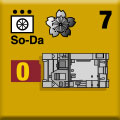 After two days of very slow, very incremental advances, the 161st Infantry Regiment brought all three of its battalions into line, backed by two full battalions of 105mm howitzers. Aa mid-morning they went forward in a mass assault, backed by tanks, heavy mortars and accompanied by engineers, and with the pulverizing effect of massed artillery. Surely the Japanese could not withstand this much force. After two days of very slow, very incremental advances, the 161st Infantry Regiment brought all three of its battalions into line, backed by two full battalions of 105mm howitzers. Aa mid-morning they went forward in a mass assault, backed by tanks, heavy mortars and accompanied by engineers, and with the pulverizing effect of massed artillery. Surely the Japanese could not withstand this much force.
Conclusion
Behind a curtain of artillery fire, the American infantry slowly ground forward, with Japanese tanks continuing to make the advance difficult from their well-camouflaged revetments. By nightfall, the Americans held the northern half of San Manuel, but still had not ejected all of the defenders from the town. But the Japanese had lost so heavily that another day of combat would likely see them destroyed.
Notes
The American attack continues: a steady, Great-War-style infantry advance backed by copious artillery, while the Japanese conduct a mobile defense supported by tanks. American numbers and firepower will be hard to overcome, but the Japanese do have some mobility if they choose to use it.
Scenario Seven
The Empire Strikes Back
28 January 1945
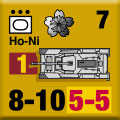 The Japanese still held half of San Manuel when their dogged defense fell apart. It’s not clear exactly what sparked the change in outlook, but Isao Shigemi killed himself and his remaining tanks and infantry launched a determined night attack. Some later writers called this a panicked breakout, but the Americans had halted and the Japanese had a clear retreat route as long as they abandoned their tanks. They would first inflict damage on the Americans before they pulled away. The Japanese still held half of San Manuel when their dogged defense fell apart. It’s not clear exactly what sparked the change in outlook, but Isao Shigemi killed himself and his remaining tanks and infantry launched a determined night attack. Some later writers called this a panicked breakout, but the Americans had halted and the Japanese had a clear retreat route as long as they abandoned their tanks. They would first inflict damage on the Americans before they pulled away.
Conclusion
The Japanese came at the Americans in three waves of tanks and infantry; ten of the 13 Japanese tanks involved were knocked out. About one-third of Shigemi’s men (400 troops) escaped to the east; the remainder were lost as well as all of the detachments armor, vehicles and heavy weapons. It had been an unnecessary battle for both sides: Shigemi had allowed himself to be boxed in at a place that could not possibly help the Japanese cause if held. And since he was already boxed in, the Americans had no need to assault him there.
Notes
The Japanese get to fling themselves on the Americans and then run away after causing some damage. This is going to be an extremely tough one for the Emperor’s men, but that’s Shigemi’s fault.
Order Pacific Armor Here.
Please allow an extra six weeks for delivery.
Order Saipan 1944 Here.
Please allow an extra six weeks for delivery.
Sign up for our newsletter right here. Your info will never be sold or transferred; we'll just use it to update you on new games and new offers.
Mike Bennighof is president of Avalanche Press and holds a doctorate in history from Emory University. A Fulbright Scholar and NASA Journalist in Space finalist, he has published a great many books, games and articles on historical subjects; people are saying that some of them are actually good.
He lives in Birmingham, Alabama with his wife and three children. He misses his lizard-hunting Iron Dog, Leopold.
Daily Content includes no AI-generated content or third-party ads. We work hard to keep it that way, and that’s a lot of work. You can help us keep things that way with your gift through this link right here.
|