| Ardennes 1944:
Scenario Preview, Part One
By Mike Bennighof, Ph.D.
July 2026
 Philippe Léonard built the story of Panzer Grenadier: Ardennes 1944 around the adventures of the Armed SS Battle Group Peiper during the December 1944 Battle of the Bulge. Joachim Peiper, a noted war criminal in a criminal organization, retains a certain fame in some corners; out there on the interwebs you can even buy a Peiper action figure, complete with faux-leather pants. Philippe Léonard built the story of Panzer Grenadier: Ardennes 1944 around the adventures of the Armed SS Battle Group Peiper during the December 1944 Battle of the Bulge. Joachim Peiper, a noted war criminal in a criminal organization, retains a certain fame in some corners; out there on the interwebs you can even buy a Peiper action figure, complete with faux-leather pants.
Peiper’s leadership, if you can call it that, makes for a fascinating situation. He showed much more interest in massacring unarmed prisoners and civilians than in carrying out his mission, and appears to have given little to no thought to logistics, march routes, or the terrain. Robert Shaw played him in the 1965 movie as a hard-charging and ruthless commander, but the truth is, Joachim Peiper was a hapless, if murderous, fool.
His Armed SS militiamen had by this point a good deal of combat experience, fanatical devotion to their Supreme Leader, hard-earned tactical skill, and the best weapons that Germany could provide. But with Peiper directing them, they kept running into hastily-prepared defenses manned by determined Americans. Better (or, well, any) planning would have allowed them to bypass many of these strongpoints, but instead, Peiper attacked them (while bypassing others that he probably should have attacked).
Those battles are the essence of the game. The odds in these battles are fairly even, thanks to Peiper’s ineptitude and the raw courage of the American GI. Let’s have a look at the first chapter:
Chapter One
The Germans Break Through
The German plan for their Ardennes offensive called for a huge force of seven armored and 13 infantry divisions to conduct the initial assault, followed up by a further two armored and seven infantry divisions. In the north, Sixth Panzer Army had the huge Belgian port of Antwerp as its primary objective.
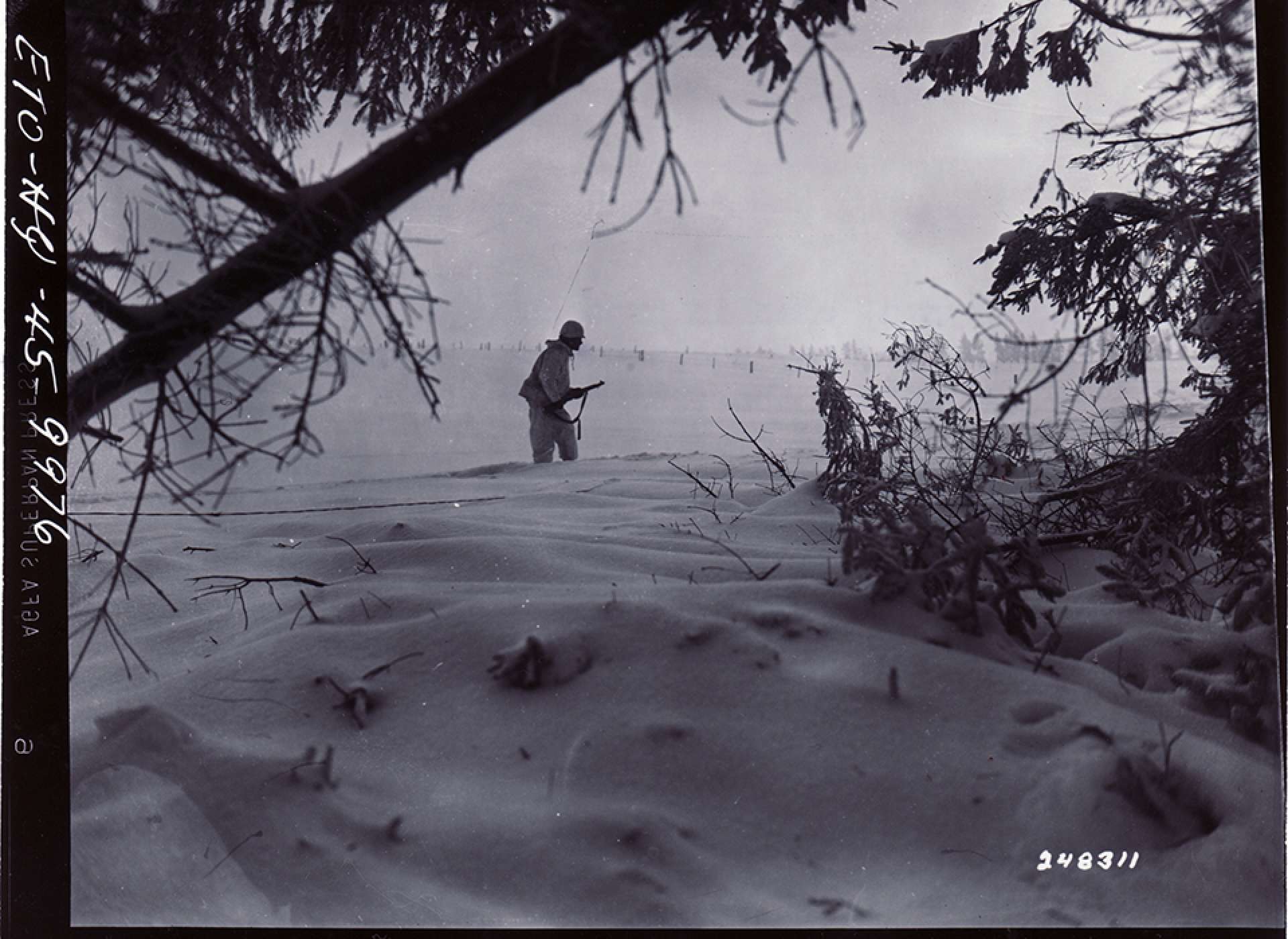
A soldier of the U.S. 1st Infantry Division on patrol near Büllingen, Belgium.
The Parachute and People’s Grenadier Divisions would break through the crust of the American defenses, and then secure the flanks of the armored spearheads. I SS Panzer Corps, with the 1st and 12th SS Panzer Divisions, would then surge to, and across, the Meuse at Huy in one all-powerful wave, in just three days. Joachim Peiper’s powerful armored group would lead the way for the SS Life Guard Division.
Scenario One
The Ghost Front
Losheim Gap, Belgium
16 December 1944
 American soldiers called the quiet, thinly-held 85-mile sector in the Ardennes the “Ghost Front.” Their weakest deployment stretched across the valley known as the Losheim Gap. On the German side, the 3rd Parachute Division and 12th People’s Grenadier Division had the task of opening routes into and through the valley. Their routes included two paved roads and a railroad leading from the German border through the American 99th Infantry Division’s southern positions. The People’s Grenadiers would make the main assault, while the paratroopers secured the southern flank of the advancing tanks. The Americans held the front with two battalions from the 394th Infantry Regiment, the regimental I&R platoon, and some scattered elements of the 14th Cavalry Group. American soldiers called the quiet, thinly-held 85-mile sector in the Ardennes the “Ghost Front.” Their weakest deployment stretched across the valley known as the Losheim Gap. On the German side, the 3rd Parachute Division and 12th People’s Grenadier Division had the task of opening routes into and through the valley. Their routes included two paved roads and a railroad leading from the German border through the American 99th Infantry Division’s southern positions. The People’s Grenadiers would make the main assault, while the paratroopers secured the southern flank of the advancing tanks. The Americans held the front with two battalions from the 394th Infantry Regiment, the regimental I&R platoon, and some scattered elements of the 14th Cavalry Group.
Conclusion
 The grand German offensive got off to an uninspiring start. Two American rifle companies ambushed the vanguard of the 12th People’s Grenadier Division as it marched up the railway track toward the rural depot that the Americans had named Buchholz Station. For the rest of the morning, close-quarters fighting raged around Buchholz Station and in the woods nearby. When the early night of the Ardennes winter closed in, American troops still held the station and positions on either side, thus blocking the nearby road. The grand German offensive got off to an uninspiring start. Two American rifle companies ambushed the vanguard of the 12th People’s Grenadier Division as it marched up the railway track toward the rural depot that the Americans had named Buchholz Station. For the rest of the morning, close-quarters fighting raged around Buchholz Station and in the woods nearby. When the early night of the Ardennes winter closed in, American troops still held the station and positions on either side, thus blocking the nearby road.
On the People’s Grenadiers’ left, assault groups from the weak 3rd Parachute Division hit the positions of the 14th Cavalry Group. The exhausted, inexperienced paratroopers lacked heavy weapons and had taken a severe beating earlier in December. At Krewinkel, sparse defenders watched incredulously as a whole column of German paratroopers calmly marched down the road as if on a hike. Suffering heavy losses, the Germans soon became pinned down.
Farther west, a single tank destroyer platoon and the I&R platoon of the 394th Infantry Regiment dug in on a wooded hilltop just outside the village of Lanzerath (Board 127/ Hex 1208). The I&R troops cut down the paratroopers, very visible against the snow, and only after more assaults and more casualties did the Germans secure the village. Some elements of the 14th Cavalry Group failed to re-take the village in the afternoon, but the Germans had not opened the way for Peiper. Already the offensive had fallen 12 hours behind schedule.
Notes
A mid-sized scenario starts off the game, with a two-pronged German attack on a rather thin American defense. But the Americans are determined to hold, while both German forces (one Army, one Air Force) would rather be catching up on their Christmas shopping.
Scenario Two
Buchholz Station
17 December 1944
Buchholz Station, Belgium
 The German infantry’s failure to open a path for Peiper forced him to switch his advance southward through Merlscheid and Lanzerath. Peiper added the battalion of paratroopers holding Lanzerath to his force, and at 0400 sent them ahead of his tanks toward Buchholz down a narrow, pot-holed road which twisted its way through thick pine forest. On leaving the woods, the forward elements made their first contact with the Americans near Losheimergraben railroad station (what the Americans called Buchholz Station). The German infantry’s failure to open a path for Peiper forced him to switch his advance southward through Merlscheid and Lanzerath. Peiper added the battalion of paratroopers holding Lanzerath to his force, and at 0400 sent them ahead of his tanks toward Buchholz down a narrow, pot-holed road which twisted its way through thick pine forest. On leaving the woods, the forward elements made their first contact with the Americans near Losheimergraben railroad station (what the Americans called Buchholz Station).
Conclusion
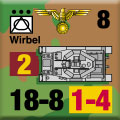 Most of the Americans holding the station area had been sleeping when the German spearhead drove past. They came wide awake in time to greet the armored infantry company that followed with rifle and machine-gun fire, the first clash between Peiper’s battle group and the Americans. The Germans replied with anti-aircraft guns and tank cannon, causing the Americans to make a hasty retreat; the American tank destroyers don’t seem to have put up any resistance at all. One American radio operator stayed behind in a farmhouse cellar and counted the German vehicles as they passed by. He got up to 28 halftracks and 30 tanks before the Germans rooted him out. Most of the Americans holding the station area had been sleeping when the German spearhead drove past. They came wide awake in time to greet the armored infantry company that followed with rifle and machine-gun fire, the first clash between Peiper’s battle group and the Americans. The Germans replied with anti-aircraft guns and tank cannon, causing the Americans to make a hasty retreat; the American tank destroyers don’t seem to have put up any resistance at all. One American radio operator stayed behind in a farmhouse cellar and counted the German vehicles as they passed by. He got up to 28 halftracks and 30 tanks before the Germans rooted him out.
Notes
In this small scenario, the Americans don’t have to stop the Germans, just slow them up. Even that’s going to be a tall order, as the Germans have plenty of firepower. The Americans do have weapons that can hurt the Germans, and they get to set an ambush. I don’t really like scenarios with hidden units, but it’s necessary here.
Scenario Three
Confusion at Honsfeld
17 December 1944
Honsfeld, Belgium
 Once again, the German spearhead passed through an American-held town, this time Honsfeld, a rest center for the 99th Infantry Division. Just over a mile short of Honsfeld, Peiper’s lead tanks encountered a US armored column and mistook it for elements of the 150th Panzer Brigade, a “deception” unit with its tanks modified to resemble American vehicles. The SS column fell in behind one of them and entered the village at 0515. Realizing their error, the actual Germans quickly veered off onto the road to Büllingen (Bullange) and reported the presence of the enemy. It would be up to the battle group’s main body to capture Honsfeld. Once again, the German spearhead passed through an American-held town, this time Honsfeld, a rest center for the 99th Infantry Division. Just over a mile short of Honsfeld, Peiper’s lead tanks encountered a US armored column and mistook it for elements of the 150th Panzer Brigade, a “deception” unit with its tanks modified to resemble American vehicles. The SS column fell in behind one of them and entered the village at 0515. Realizing their error, the actual Germans quickly veered off onto the road to Büllingen (Bullange) and reported the presence of the enemy. It would be up to the battle group’s main body to capture Honsfeld.
Conclusion
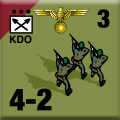 Most of the US soldiers had been told to rest and slept while most guns remained limbered; two recon platoons and five anti-tank guns remained alert to defend the village. When the attack began, confusion reigned; the Americans would later claim that the Germans entered the village behind a Stuart tank used as a Trojan horse. When the gun crews found the tanks to be German, it was too late since the SS and paratroopers supported by tanks opened fire at short range. Most of the U.S. troops were taken prisoner or withdrew. Inside the village, a wild melee ensued in the narrow streets as the Americans suddenly awakened. The 612th Tank Destroyer’s guns destroyed two Möbelwagen anti-aircraft tanks and claimed several halftracks and tanks before the attackers swamped them. And on this first morning of Peiper’s offensive, his men conducted the first of the massacres that would become their hallmark, murdering fifteen unarmed U.S. soldiers and three Belgian civilians in cold blood. Most of the US soldiers had been told to rest and slept while most guns remained limbered; two recon platoons and five anti-tank guns remained alert to defend the village. When the attack began, confusion reigned; the Americans would later claim that the Germans entered the village behind a Stuart tank used as a Trojan horse. When the gun crews found the tanks to be German, it was too late since the SS and paratroopers supported by tanks opened fire at short range. Most of the U.S. troops were taken prisoner or withdrew. Inside the village, a wild melee ensued in the narrow streets as the Americans suddenly awakened. The 612th Tank Destroyer’s guns destroyed two Möbelwagen anti-aircraft tanks and claimed several halftracks and tanks before the attackers swamped them. And on this first morning of Peiper’s offensive, his men conducted the first of the massacres that would become their hallmark, murdering fifteen unarmed U.S. soldiers and three Belgian civilians in cold blood.
Notes
It’s another small scenario, with the Germans having to race past and the Americans needing to wake up in time to stop them. The Germans have the tanks and vehicles, but the Americans have the anti-tank guns – if they can get them operating without caffeine.
Scenario Four
Bullange Crossroads
17 December 1944
Büllingen (Bullange), Belgium
 A lack of prior planning had Peiper’s battle group already pausing their advance less than 12 hours after leaving their start line. Only now did Peiper realize that the muddy roads would not support his heavy vehicles, and so he directed battle group to the northwest along roads assigned to the neighboring 12th SS Panzer Division. With his vehicles already running out of fuel, Peiper hoped to capture the American fuel depot at Büllingen (Bullange in French). A lack of prior planning had Peiper’s battle group already pausing their advance less than 12 hours after leaving their start line. Only now did Peiper realize that the muddy roads would not support his heavy vehicles, and so he directed battle group to the northwest along roads assigned to the neighboring 12th SS Panzer Division. With his vehicles already running out of fuel, Peiper hoped to capture the American fuel depot at Büllingen (Bullange in French).
Conclusion
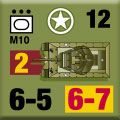
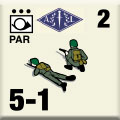 Peiper added a company of paratroopers to his vanguard, which found Büllingen held by American combat engineers who frantically set up roadblocks all around the town. The Germans attacked at 0630, breaking into the town at 0800. After securing the depot, Peiper’s men forced American prisoners to re-fuel their tanks. Meanwhile, his vanguard had wandered up the wrong road, approaching Wirtzfeld where newly-arrived American tank destroyers shot up the leading German tanks Peiper added a company of paratroopers to his vanguard, which found Büllingen held by American combat engineers who frantically set up roadblocks all around the town. The Germans attacked at 0630, breaking into the town at 0800. After securing the depot, Peiper’s men forced American prisoners to re-fuel their tanks. Meanwhile, his vanguard had wandered up the wrong road, approaching Wirtzfeld where newly-arrived American tank destroyers shot up the leading German tanks
By 0900, Peiper’s battle group had re-formed and re-fueled. He had the opportunity to press into the rear of the American 2nd and 99th Infantry Divisions: trapping them, opening the road for the 12th SS Panzer Division, and incidentally relieving the small band of German paratroopers who had jumped into the American rear area just after midnight and now wandered through the woods in a dazed and confused state. Having already ignored his assigned march route, Peiper apparently decided to follow the letter of his orders and instead sent his battle group to the west.
Notes
The Germans have a lot to accomplish, and not overwhelming combat power with which to accomplish it. But the Americans counter with a disorganized scratch force that has to cover a lot of ground. This is going to be a very close-run thing.
Scenario Five
The Last Hundred Yards
17 December 1944
Hünningen, Belgium
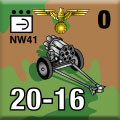 Lt. Col. John M. Hightower had moved his battalion of the 23rd Infantry Regiment to Büllingen on the previous evening to reinforce the left flank of the 99th Infantry Division. By 0600 hours on the 17th, all of his companies had dug in and the 99thth’s commander, Maj. Gen. Walter Lauer, had ordered Hightower to hold “at all costs.” Looking south from his command post, Hightower could see streams of German tanks and other vehicles streaming through Büllingen: Peiper’s battle group has already advanced behind the American lines. Some engineers and others escaping from Büllingen joined up with Hightower just in time for the Germans to notice the American battalion. Lt. Col. John M. Hightower had moved his battalion of the 23rd Infantry Regiment to Büllingen on the previous evening to reinforce the left flank of the 99th Infantry Division. By 0600 hours on the 17th, all of his companies had dug in and the 99thth’s commander, Maj. Gen. Walter Lauer, had ordered Hightower to hold “at all costs.” Looking south from his command post, Hightower could see streams of German tanks and other vehicles streaming through Büllingen: Peiper’s battle group has already advanced behind the American lines. Some engineers and others escaping from Büllingen joined up with Hightower just in time for the Germans to notice the American battalion.
Conclusion
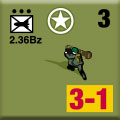 A dozen tanks and some infantry came up the road from Büllingen in the late morning; the American anti-tank guns knocked out four of them. The Germans returned in the afternoon, to be met first by P47 fighter-bombers that shot up their columns, at a cost of three planes downed by Wirbelwind anti-aircraft tanks. Troops from the 12th People’s Grenadier Division conducted seven human wave attacks, all of them met by fearsome artillery fire directed by an American observer from the top of the village church steeple. The barrage “walked” along with the advance, only letting up when the handful of German survivors came within one hundred yards of the American foxholes, where rifle and machine-gun fire finished the job. That evening, Hightower carefully withdrew his battalion. A dozen tanks and some infantry came up the road from Büllingen in the late morning; the American anti-tank guns knocked out four of them. The Germans returned in the afternoon, to be met first by P47 fighter-bombers that shot up their columns, at a cost of three planes downed by Wirbelwind anti-aircraft tanks. Troops from the 12th People’s Grenadier Division conducted seven human wave attacks, all of them met by fearsome artillery fire directed by an American observer from the top of the village church steeple. The barrage “walked” along with the advance, only letting up when the handful of German survivors came within one hundred yards of the American foxholes, where rifle and machine-gun fire finished the job. That evening, Hightower carefully withdrew his battalion.
Notes
The Germans have numbers and some armor; the Americans have their always-awesome artillery and a well-prepared position. This will be another tough fight.
Scenario Six
“We fight and die here.”
18 December 1944
Dom Bütgenbach, west of Büllingen
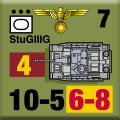 Lt. Col. Derril Daniel’s battalion of the 1st Infantry Division’s 26th Infantry Regiment had rushed to the large stone manor house with surrounding outbuildings and barns that the Americans called Dom Bütgenbach to stem the German advance. Gathering his officers in the main hall, he told them, “We fight and die here.” Remnants of other units joined them, and they spent their first night at the manor in relative quiet. Eventually, the Germans realized the significance of the position, and detailed troops to attack it. Lt. Col. Derril Daniel’s battalion of the 1st Infantry Division’s 26th Infantry Regiment had rushed to the large stone manor house with surrounding outbuildings and barns that the Americans called Dom Bütgenbach to stem the German advance. Gathering his officers in the main hall, he told them, “We fight and die here.” Remnants of other units joined them, and they spent their first night at the manor in relative quiet. Eventually, the Germans realized the significance of the position, and detailed troops to attack it.
Conclusion
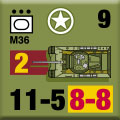 The Germans began to probe with infantry and tanks to feel out the position in the morning fog. Daniel reported an attack in battalion strength led by an armored car and for to eight tank destroyers; the 26th Infantry’s report puts the enemy numbers at a much lesser figure. However many Germans erupted out of the fog, the Americans drove them back and knocked out the armored car and two of the tank destroyers. The Germans began to probe with infantry and tanks to feel out the position in the morning fog. Daniel reported an attack in battalion strength led by an armored car and for to eight tank destroyers; the 26th Infantry’s report puts the enemy numbers at a much lesser figure. However many Germans erupted out of the fog, the Americans drove them back and knocked out the armored car and two of the tank destroyers.
Notes
This time, the Nazi scum have to face the Big Red One: solid morale, solid positions, and solid leadership. The Germans do get their armored car and some tanks, but this is going to be tough on the Aryan elite.
And that’s all for Chapter One. Next time: Chapter Two.
Order Ardennes 1944 (full game) Here.
Please allow an extra six weeks for delivery.
Order Ardennes 1944 (Anarchy) Here.
No rules! You’ll need the Fourth Edition rules from another Panzer Grenadier game. Earlier edition rules will not work with this game.
Please allow an extra six weeks for delivery.
Sign up for our newsletter right here. Your info will never be sold or transferred; we'll just use it to update you on new games and new offers.
Mike Bennighof is president of Avalanche Press and holds a doctorate in history from Emory University. A Fulbright Scholar and NASA Journalist in Space finalist, he has published a great many books, games and articles on historical subjects; people are saying that some of them are actually good.
He lives in Birmingham, Alabama with his wife and three children.
Daily Content includes no AI-generated content or third-party ads. We work hard to keep it that way, and that’s a lot of work. You can help us keep things that way with your gift through this link right here.
|